Maintaining a stunning property in the Tri-Cities involves more than just keeping the grass green; it requires a deep understanding of how to care for the towering canopy overhead. Many homeowners use the terms "trimming" and "pruning" interchangeably, but in the world of professional tree services, these two practices serve very different purposes. Knowing which method your landscape requires is essential for ensuring your trees remain safe, healthy, and aesthetically pleasing as the spring growth begins to take hold.
The Aesthetic Focus of Tree Trimming
Trimming is primarily focused on the outward appearance and "grooming" of your greenery. Think of it as a haircut for your landscape that ensures your property maintains a clean, intentional look. This process is most often applied to hedges, shrubs, and the exterior canopy of trees to prevent them from looking overgrown or encroaching on structures.
Key aspects of professional trimming include:
Curb Appeal: Shaping the plant to maintain a specific geometric form or a neat, rounded appearance.
Property Boundaries: Clearing branches away from power lines, siding, or windows to prevent physical damage.
Light Penetration: Thinning out the very edges of a tree to allow more sunlight to reach the lawn or flower beds below.
The Health and Structural Focus of Pruning
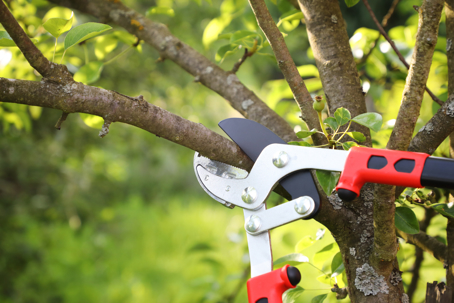
Pruning is a more technical and biological process focused on the long-term health and structural integrity of the tree. While trimming looks at the "outside," pruning looks at the "inside" and the overall life cycle of the plant. This practice involves the strategic removal of specific branches—such as those that are diseased, dead, or growing in a way that threatens the tree's stability.
The vital benefits of expert pruning include:
Disease Management: Removing infected limbs before the decay can spread to the trunk and kill the entire tree.
Structural Strength: Cutting away crossing or "competing" branches that can weaken the tree’s response to high winds and summer storms.
Growth Stimulation: Encouraging the tree to produce more fruit or flowers by removing non-productive or "sucker" growth.
Timing and Technique for East Tennessee Landscapes
The timing of these services is just as important as the technique itself. While light trimming can often be done year-round to maintain a tidy look, heavy pruning is most effective during specific windows of the year to avoid stressing the plant. In our local climate, performing these tasks before the full heat of summer arrives allows the tree to "seal" its wounds and push new, healthy growth without the added stress of drought.
Why professional intervention matters:
Safety First: Large-scale pruning requires specialized rigging and saws to protect both the crew and your home.
Species Knowledge: Different trees have different "bleeding" patterns; for example, some species should never be pruned in late spring.
Precision Cuts: Improper cuts can leave a tree vulnerable to pests; a professional ensures the "branch collar" is left intact for natural healing.
At Promier Landscapes, we bring over 20 years of experience to every branch we touch, ensuring your landscape benefits from the precise care it deserves. Whether you need a simple aesthetic trim to boost your curb appeal or a deep structural pruning to save a legacy tree, our certified experts are here to help.
To schedule a health evaluation for your trees and ensure they are ready for the seasons ahead, contact us today at (423) 872-2988.